Source Excavator Track Spring Assembly for Bulldozers, Crawlers, and Track Systems
Compare 30 listings for the excavator track spring assembly from verified suppliers in China. Buyers can evaluate models like DX225 and R60, check certifications such as CE and ISO9001, and review delivery times ranging from 10 to 20 days before requesting quotes.
Key considerations
Products List




Comprehensive Sourcing Guide
Excavator Track Spring Assembly Sourcing Guide
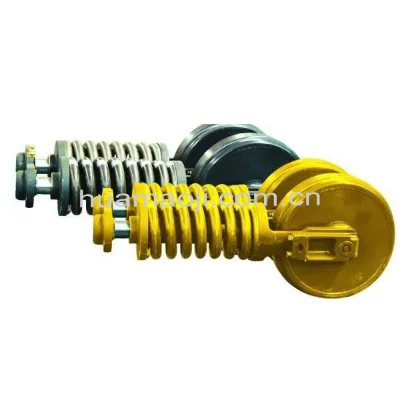
Procuring the correct track adjust assembly is critical for maintaining the structural integrity and operational efficiency of heavy earthmoving equipment. These components, often referred to as track tensioning systems, ensure that the crawler chain remains properly aligned and tensioned against the drive sprocket and idler wheels. Without adequate tension, operators risk excessive wear on track plates, increased fuel consumption due to drag, and potential derailment during high-load operations. Sourcing the right assembly requires a clear understanding of the specific machine model and the mechanical demands placed on the undercarriage.
Buyers must distinguish between various assembly types, such as those designed for specific excavator brands or universal fits for bulldozer parts. The market offers options ranging from simple spring coils to complex hydraulic adjusters, each with distinct maintenance requirements. Observing the item name and application details in supplier listings helps narrow down the search. For instance, some listings explicitly mention compatibility with models like DX225 or R60, while others may list broader categories like PC20 or EX series machines. Verifying these model numbers against your equipment’s manual is the first step in avoiding costly mismatches.
Product Scope and Observed Listing Signals
Current market listings reveal a diverse range of track adjust assemblies, with prices varying significantly based on material quality and manufacturing complexity. Observed price points span from approximately $22 to $1200, reflecting differences between basic spring components and complete assembly units. Minimum order quantities (MOQ) are generally flexible, starting as low as one piece, which benefits small workshops and individual repair projects. However, bulk purchases may offer better unit economics, though buyers should weigh this against storage costs and inventory turnover rates.
The observed product attributes indicate a strong emphasis on durability and customization. Many suppliers offer parts made from 45# steel or standard steel, finished with smooth surfaces and colored black or yellow for visibility. Customization is frequently available, allowing buyers to specify exact dimensions or mounting configurations. Listings also highlight various packing methods, including wooden pallets and strong fumigate wooden pallets, ensuring safe transit. Understanding these signals helps buyers assess whether a supplier’s offering aligns with their specific operational needs and logistical constraints.
Technical Specifications to Verify
Verifying the material composition is essential for ensuring the longevity of the track adjust assembly. Listings often specify materials such as 45# steel or general steel, which provide the necessary tensile strength to withstand the high pressures of track tensioning. Buyers should confirm the exact grade of steel used, as inferior materials may lead to premature failure under heavy loads. Additionally, the manufacturing technique, whether forging or casting, impacts the part’s structural integrity. Forged components typically offer superior grain structure and resistance to fatigue compared to cast alternatives.
Model compatibility is another critical technical specification that requires careful verification. Suppliers list various model numbers, including DX225, R60, EC460, and EX series variants, indicating specific machine applications. Buyers must cross-reference these codes with their equipment’s service manual to ensure a precise fit. Mismatched assemblies can cause improper tensioning, leading to accelerated wear on track chains and idlers. Furthermore, checking the track plate and chain track part numbers, such as 5617381 or 10455035, ensures that all components work together seamlessly.
Compliance and Safety Documentation
Certification standards play a vital role in verifying the quality and safety of the track adjust assembly. Many suppliers provide products with CE and ISO9001 certifications, indicating adherence to international quality management and safety standards. These certifications suggest that the manufacturing process follows rigorous controls, reducing the risk of defects. Buyers should request copies of these certificates to verify their validity and ensure they cover the specific product line being purchased. Compliance with these standards often correlates with better consistency in product performance.
Safety documentation also includes proper packaging and labeling to prevent damage during transit. Listings mention export standard packages, carton boxes, and wooden pallets, which protect the assembly from environmental factors and physical impact. Buyers should ensure that the packaging is robust enough to withstand long-distance shipping, especially when using sea or air freight. Additionally, verifying the H.S Code, such as 84314999, helps in customs clearance and ensures that the product is correctly classified for import regulations. Proper documentation facilitates smoother logistics and reduces the risk of delays at borders.
Cost Drivers and Commercial Terms
Several factors influence the final cost of the track adjust assembly, including material costs, manufacturing complexity, and order volume. The observed price range of $22 to $1200 reflects these variables, with higher prices often corresponding to complete assemblies or premium materials. Buyers should consider the total cost of ownership, which includes maintenance, replacement frequency, and downtime costs. Investing in higher-quality components may reduce long-term expenses by minimizing unexpected failures and extending service intervals.
Commercial terms such as lead time and payment conditions also impact procurement decisions. Suppliers typically offer delivery within 15-20 days after payment or contract establishment, with some listing a 10-day delivery time for specific items. Buyers should negotiate clear terms regarding shipping methods, such as sea, air, or courier services like DHL and UPS. Understanding these terms helps in planning inventory replenishment and avoiding production delays. Additionally, warranty periods, often listed as 12 months, provide a safety net against manufacturing defects, adding value to the purchase.
Supplier Qualification and Quality Control
Evaluating supplier qualifications is crucial for ensuring the reliability of the track adjust assembly. Buyers should verify the supplier’s origin, with many listing Quanzhou, China, as the production location. This region is known for its manufacturing capabilities in heavy machinery parts. Checking the supplier’s track record, customer reviews, and response rates can provide insights into their reliability and customer service quality. Suppliers with a history of consistent deliveries and positive feedback are generally safer choices for long-term procurement.
Quality control measures should be explicitly discussed with the supplier before placing an order. Buyers should inquire about inspection processes, such as dimensional checks and material testing, to ensure the parts meet specified standards. Requesting samples before bulk orders allows for physical verification of quality and fit. Additionally, confirming the supplier’s ability to provide customization and after-sales support is important. A supplier that offers technical assistance and responsive customer service can help resolve issues quickly, minimizing operational disruptions.
Long-Term Procurement Checks
Establishing a long-term procurement strategy involves regular reviews of supplier performance and product quality. Buyers should track key metrics such as delivery times, defect rates, and customer satisfaction to identify potential issues early. Consistent performance from suppliers indicates reliability, while recurring problems may signal the need for alternative sources. Regular audits of the supply chain can help maintain high standards and ensure that the track adjust assemblies continue to meet operational requirements.
Continuous improvement in procurement processes also includes staying updated on industry trends and technological advancements. New materials or manufacturing techniques may offer better performance or cost savings. Buyers should engage with suppliers to discuss potential upgrades or improvements in product design. Additionally, maintaining a diverse supplier base can mitigate risks associated with single-source dependencies. By fostering strong relationships with multiple qualified suppliers, buyers can ensure a steady supply of high-quality track adjust assemblies for their equipment fleet.
FAQs
What material is used for the excavator track spring assembly?
The excavator track spring assembly is primarily manufactured from 45# steel or standard steel. This material choice ensures high durability and resistance to wear under heavy loads. Some variants may include rubber components for specific track applications. The steel construction supports the tensioning mechanism effectively in bulldozer and excavator parts.
Can the excavator track spring assembly be customized?
Yes, customization is available for the excavator track spring assembly to meet specific machinery requirements. Buyers can request adjustments to fit various models such as DX225, R60, or EC460. The product supports tailored specifications while maintaining high quality standards. This flexibility allows for precise integration into different crawler equipment types.
What is the lead time for the excavator track spring assembly?
The delivery time for the excavator track spring assembly is typically within 15-20 days after payment or contract establishment. Some suppliers offer a faster delivery time of 10 days for standard orders. This timeframe ensures timely supply for maintenance needs. Buyers should confirm exact schedules based on their specific order volume and shipping method.
Which certifications apply to the excavator track spring assembly?
The excavator track spring assembly holds CE and ISO9001 certifications, indicating compliance with international quality and safety standards. These certifications verify that the manufacturing process meets rigorous quality control requirements. The products are in new condition and suitable for professional industrial applications. Buyers can rely on these credentials for quality assurance in their sourcing decisions.
What is the MOQ for the excavator track spring assembly?
The minimum order quantity for the excavator track spring assembly is 1 piece, allowing for flexible purchasing. This low MOQ supports both individual replacements and bulk procurement needs. The observed range extends up to 200 pieces for larger orders. Buyers can start with small quantities to test compatibility before committing to larger volumes.
How is the excavator track spring assembly packaged?
The excavator track spring assembly is packaged in export standard wooden pallets or strong fumigate wooden pallets. Some items may use carton packaging for smaller components. This robust packaging protects the parts during sea, air, or courier shipping. The standard export packing ensures safe delivery from origins like Quanzhou or Xiamen to global destinations.